Eurasian is a term referring to a person who has European and Asian Ancestry. There are many people with mixed ancestry throughout the world who are considered Eurasians. The one I’m referring to in this post mainly comes from Singapore and Malaysia—the Portuguese Eurasian community. Known for their vibrant Portuguese songs and folk dance like branyo and for their delicious Eurasian cuisine, Cumiria di Kristang. They are known as Jenti Kristang … Christian People or the Eurasians.
The origins of my Portuguese Eurasian heritage traces back to early fifteenth century when Portuguese navigators and explorers travelled into Asia. Their mission is to control the spice trade and spread Christianity to the masses. Portuguese men were encouraged to marry the local women and settle in Malacca. Many of them later moved to Singapore to find a better life. My descendants come from Malacca, which is in Malaysia. My generation was born and raised in Singapore.
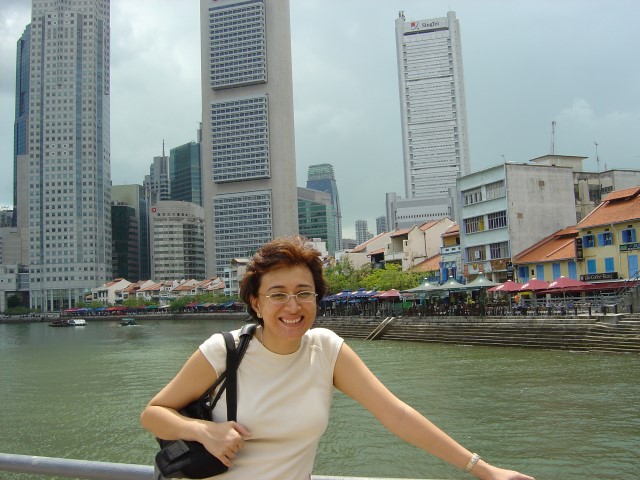
The Eurasian People in Singapore (Kristang People)
Both my parents are from Portuguese decent with other European mixtures of German and British. My Asian ancestry comes from Ceylon, (now known as Sri Lanka) and Goa which is probably why I love my freshly cooked curries. Oh … and so does my family!
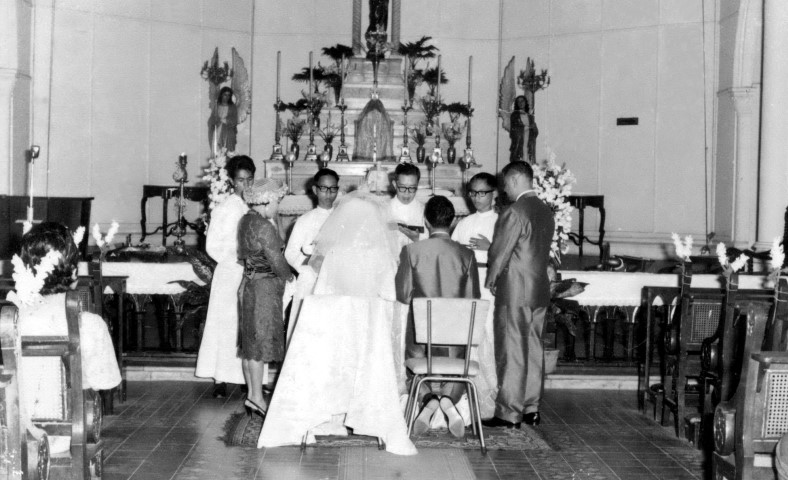
And while, these are my mixed heritage, as a child I’m known as Singaporean and I’m proud to be extremely grounded to my Kristang heritage and culture. I’m a fourth generation sewer from my Mom’s side of the family. I love cooking our traditional our cuisine from scratch and I speak Kristang, a creole Portuguese language spoken only among the Eurasians in Singapore and Malaysia. And even though now I live in Australia with my family, I feel a sense of belonging to a greater part of these two worlds.
Where East Meets West
I was born two years after Singapore gained it’s independence and grew up alongside this tiny island I used to call my home. English is our first language. But when I started school, we learned a second language, making us bilingual since early childhood making it easier to communicate amidst our local community of Chinese, Malays, Indian and me a Eurasian.
As children. we are taught to respect our neighbors and love our family. In school, we taught about our history and to feel a deep sense of pride in who we are as individuals. Many of us are extremely grounded with politeness in our attitude and behavior towards others, especially our elders. These shared values and principals were instilled in school to become our way of life.
I’m lucky to belong to a community so vibrant and friendly. During festive seasons of Christmas, Easter, Chinese Lunar New Year and Hari Raya Puasa, we gather with our relatives and friends, at the dining table feasting as one—becoming a part of their family. I get to celebrate the best of both worlds.
I’m very much Singaporean in my ways for having lived in Singapore more than half of my life. I’ve learned so much living in that tiny little island, lessons I take with me throughout my life.

What Being Eurasian Means to Me
Growing up in Singapore, as a Eurasian has been really fun. I carry the strength of two worlds in me—the knowledge, wisdom and experience of my ancestors make up the person I am today. During every festive season, each family cooks the same traditional meals with a different. Because each family cooks a meal using a different style uniquely to their own family recipe.
Many of my relatives are Chinese so I get to celebrate with them to feast on traditional Chinese cuisine. My family and friends taught me how much we are all connected. And even though we don’t see eye to eye in our opinions, we are open to discuss the difference. We are very much the same—sharing similar hopes and dreams for a better and peaceful future. But in order for this change to take place, it begins with us. When we can learn to work together, we make a difference in life—creating a better world for our children and their future.
What being Eurasian means to me is to share my heritage and cuisine with the world. And not just keeping it to myself. Which is why I share my family recipes here so you can learn about my Portuguese Eurasian heritage, our way of life and culture. Whatever I keep with me dies when I die. So why not share something good. Would you like to try a traditional sugee cake or my family’s cabbage roll? Or get to know the heritage and culture of our Kristang language and traditions? I share them here in my blog. And you’re always welcome to join me on my adventures or even try my family recipes.
If you enjoyed this post, why not subscribe to my email list to receive notifications of new articles or recipes and videos. Fill in the form below and you’ll also receive deleted scenes from my memoir Meant to Be. Thank you for reading.
